

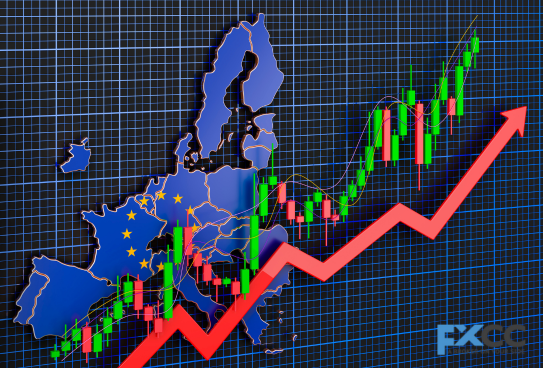
The Impact of Currency Market Fluctuations on Your Trades
Currency markets can be as exciting as they are unpredictable. Just like a rollercoaster, they have their ups and downs, and those ups and downs can significantly impact your trades.
What is Currency Market Fluctuation?
Think of currency as a product, like a pair of shoes. The price of that pair of shoes can change based on supply and demand. If more people want the shoes, the price goes up. If fewer people want them, the price goes down. Currency works the same way.

Currency market fluctuation is simply the change in the value of one currency compared to another. For example, if the US dollar strengthens against the Euro, it means you can buy more Euros with one dollar. Conversely, if the dollar weakens, you’ll get fewer Euros for your dollar.
How Does This Affect My Trades?
Whether you’re buying or selling goods or services internationally, currency fluctuations can be a game-changer.
Imports: If you’re importing products, a stronger domestic currency means you can buy more foreign goods for the same amount of money. This is good news for your bottom line. However, if your currency weakens, you’ll pay more for those same products.
Exports: If you’re exporting products, a weaker domestic currency can be beneficial. It makes your products cheaper for foreign buyers, potentially increasing your sales. Conversely, a stronger currency can make your products more expensive, reducing demand.
Investments: If you’re investing in foreign markets, currency fluctuations can impact your returns. A stronger foreign currency can boost your investment, while a weaker one can diminish it.
Managing Currency Risk
You can’t control currency fluctuations, but you can manage the risks they pose. Here are a few strategies:
Hedging: This involves using financial instruments to offset potential losses from currency movements. For example, you might buy a currency futures contract to protect against a decline in the value of a foreign currency.
Diversification: Spreading your investments across different currencies can help reduce your exposure to any single currency.
Currency Forecasting: While not foolproof, staying informed about economic indicators and market trends can help you anticipate potential currency movements.
Netting: If you have multiple transactions in the same currency, netting can help reduce your exposure to currency risk.
Real-World Examples
To illustrate the impact of currency fluctuations, let’s consider two examples:
A US-based company imports electronics from China. If the US dollar strengthens against the Chinese Yuan, the company can buy more electronics for the same amount of money. This improves their profit margins.
A European fashion brand exports clothing to the US. If the Euro weakens against the US dollar, their clothes become more affordable for US consumers, potentially boosting sales.

Conclusion
Currency market fluctuations are a complex issue, but understanding their impact on your business or investments is crucial. By implementing effective risk management strategies, you can navigate these fluctuations and protect your bottom line.
Remember, while currency markets can be volatile, they also present opportunities. By staying informed and making informed decisions, you can turn potential challenges into profitable ventures.
FAQs
How often do currency rates change?
Constantly, influenced by economic, political, and market factors.
Can I eliminate currency risk entirely?
No, but effective management can significantly reduce it.
Should I speculate on currency movements? Risky. Understand the market and be prepared for losses.
How do I choose a hedging strategy?
Consider risk tolerance, exposure, and currency pairs. Consult a financial advisor.
What’s the role of central banks?
They influence currency values through monetary policies.
CFDs are complex instruments and carry a high risk of rapid losses due to margin trading. Consider whether you understand how CFDs work and whether you can afford the risk of losing your money. This article is for educational purposes and is not investment advice.
Author: Andrew Trent
Andrew holds a degree in Data and Statistical Analysis and brings a tech nerd's curiosity to his writing. Off the clock, he's modeling data scenarios for fun, scuba diving, or taking underwater photos. He lives with his two Labradors, Homer and Duff, and his cat, Fibonacci.
Reviewed by: Chris Blakely
Content Editor with over two decades in financial journalism and a degree in Computer Engineering from the Polytechnic of the South Bank. Chris checks every article for factual accuracy and verifies claims before publication.
Last updated: May 4, 2025
Related Reading

Trader Sentiment
Share your outlook and see the results.
Bullish or bearish on EURUSD today?
Bullish or bearish on Bitcoin today?
Trending topics
FOREX HEATMAP
