


Starting a Crypto Trading Bot: Step-by-Step to Follow
In this tutorial, we’ll walk you through building a cryptocurrency trading bot that automatically executes transactions according to your specified parameters. Get ready to delve headfirst into the thrilling world of creating cryptocurrency trade bots.
Making a crypto trading bot: step-by-step guide
Let’s have a look at how to set up a crypto trade bot now that you know what they are and how they function:
Step 1: Programming language selection
Use a language you are comfortable with when creating your bot. Most crypto bots are written in one of three languages: JavaScript, Perl, or Python.

Standard programming languages make it simple for other programmers to contribute to the project or modify the code in case of bugs or other issues.
Step 2: Integrating cryptocurrency exchanges
You should also get the APIs your bot will require to communicate with the trading platforms of your choice before you begin development.
All major cryptocurrency exchanges provide APIs that allow access to currency data, which is excellent news.
Step 3: Creating account in these exchanges
Creating an account is a simple process. It is essential to remember that new account setup procedures vary by market. While some services allow you to transact without revealing your identity, others do not.
Step 4: Determine the type of bot
You need to pick what kind of crypto trade bot you want to construct before you can start learning how to build one.
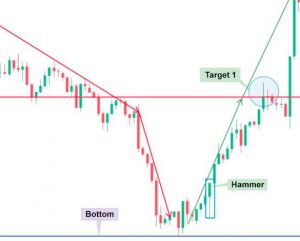
Some traders use technical charts as a planning tool. Even if you’ve been trading for a while, tracking can be time-consuming. On the other hand, it would be possible to train a bot to analyze the data in the graphs in real-time.
Using the price discrepancies between exchanges to your advantage is known as “crypto arbitrage.”
Step 5: Make sure the algorithm is functional
The efficiency with which your bot performs its duties will depend significantly on how it was constructed.
Knowing how a bot chooses algorithms to analyze data is crucial to grasping its inner workings. The annual revenue for the algorithmic trading industry is in the billions.
Step 6: Create a code to use
After outlining the framework for your automated cryptocurrency trader, you can begin coding its software code.
Step 7: Product testing comes in
There are several significant testing aims. This will ensure that your bot continues functioning correctly even when subjected to new and different data. Considerations of risk and reward and model defects like “overfitting” are relevant here.

Step 8: Live deployment
You have finally resolved all issues and are prepared to release your new Bitcoin trade bot to the public. After the app has been released, a good company will still be there to help. It allows operations to proceed without any hitches.
Bottom line
In general, automating your Bitcoin trading with a bot can be a lucrative endeavour. Since there is always a danger of losing money, you should only spend what you can afford to lose.
CFDs are complex instruments and carry a high risk of rapid losses due to margin trading. Consider whether you understand how CFDs work and whether you can afford the risk of losing your money. This article is for educational purposes and is not investment advice.
Author: Andrew Trent
Andrew holds a degree in Data and Statistical Analysis and brings a tech nerd's curiosity to his writing. Off the clock, he's modeling data scenarios for fun, scuba diving, or taking underwater photos. He lives with his two Labradors, Homer and Duff, and his cat, Fibonacci.
Reviewed by: Chris Blakely
Content Editor with over two decades in financial journalism and a degree in Computer Engineering from the Polytechnic of the South Bank. Chris checks every article for factual accuracy and verifies claims before publication.
Last updated: July 17, 2023
Related Reading


Trader Sentiment
Share your outlook and see the results.
Bullish or bearish on EURUSD today?
Bullish or bearish on Bitcoin today?
Trending topics
FOREX HEATMAP
