

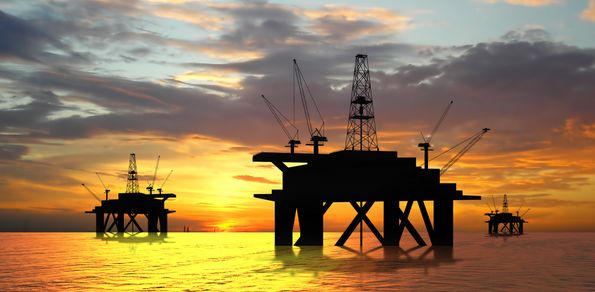
Crude Falls On Tuesday Trading
Saudi Arabia, the world’s largest oil producer, said it would work alone and in cooperation with other producers to ensure adequate global supplies of crude oil, market stability and fair prices, Dow Jones Newswires reported.
Traders also stressed over news China have raised pump prices for diesel and gasoline, seen as leading to higher crude prices worldwide. China is one of the major importers of Iranian crude. This should not be up in price as Iran has limited outlets to sell their oil, with the current oil embargo.
This makes it more lucrative for the country’s refineries to process crude oil, which should be reflected in higher crude imports and thus lend support to oil prices. That said, it is also likely to reduce domestic demand for gasoline and diesel..
Fuel retail prices in China are 20% higher than in the U.S. and 50% higher than three years ago, economists claim. Crude Oil fell $1.69, or 1.6%, to $106.37 a barrel during early trading. Some of the decline was also a reaction to fears that China is slowing down. Over the past weeks China has revised its GDP downwards for 2011 and many economic indicators have come in below forecast. With continued economic problems in Europe, China is exporting less.
A stronger dollar is a negative for dollar-denominated commodities such as oil and metals. U.S. crude oil imports during 2011 fell to their lowest level in 12 years and were down 12% from their peak in 2005, as higher domestic oil production and decreased consumption of petroleum products reduced American refiners’ purchases of foreign crude. In October 2011 the US became a net energy exporter, as opposed to an importer, which it had been for many years.



U.S. crude oil imports averaged 8.9 million barrels per day in 2011, down 3.2% from 2010. Imports of crude oil fell for the first time since 1999. Purchases of imported crude oil have declined because U.S. refiners had more supplies from domestic crude production to use, particularly higher oil output from Texas and North Dakota’s Bakken formation. Texas oil production last year reached its highest level since 1997, and North Dakota appears to have pushed past California in December as the third biggest oil producing state.
This week’s reports from the American Petroleum Institute followed by more closely watched U.S. Energy Information Administration data on Wednesday are forecast to show a 2.1 million barrel build in U.S. commercial crude inventories for the week ended March 16.
The US economy is in a fragile recovery and cannot afford to have oil prices elevated or cause inflation, the Obama Administration will consider release of oil from the strategic reserves if oil continues to rise.
CFDs are complex instruments and carry a high risk of rapid losses due to margin trading. Consider whether you understand how CFDs work and whether you can afford the risk of losing your money. This article is for educational purposes and is not investment advice.
Author: Andrew Trent
Andrew holds a degree in Data and Statistical Analysis and brings a tech nerd's curiosity to his writing. Off the clock, he's modeling data scenarios for fun, scuba diving, or taking underwater photos. He lives with his two Labradors, Homer and Duff, and his cat, Fibonacci.
Reviewed by: Chris Blakely
Content Editor with over two decades in financial journalism and a degree in Computer Engineering from the Polytechnic of the South Bank. Chris checks every article for factual accuracy and verifies claims before publication.
Last updated: March 20, 2012
Related Reading



Trader Sentiment
Share your outlook and see the results.
Bullish or bearish on EURUSD today?
Bullish or bearish on Bitcoin today?
Trending topics
FOREX HEATMAP
