

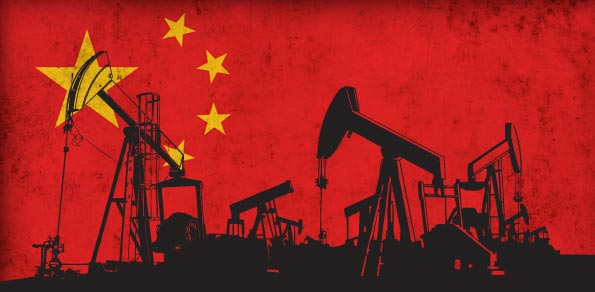
China, Crude And The GCC
Over the past year, oil prices rose considerably in reaction to the Arab spring, reaching close to $126 per barrel in last April at the peak of the Libyan crisis.
Since then, prices have not returned to the moderate levels of 2010, when the average price for the year was around $80 per barrel. Instead, oil prices remained around $110 per barrel throughout 2011, only to rise a further 15% in 2012. Oil over the past week has begun to fall, on higher inventories and lowered demand, oil is trading today at the 100.00 level .
Higher oil prices usually benefit the GCC (Gulf Cooperation Council) through increased revenues, but when prices rise too fast, or stay elevated for too long, the expensive product becomes less attractive and oil importers tend to reduce their consumption of oil. In such cases, less demand for oil translates into declining global growth.
A primary concern of OPEC is oil price and consumer behaviour. Higher prices bring higher revenue but there is a level where consumer demand reduces. If prices force a change in consumer demand, the change can move from a simple modification to long term behaviour threatening consumption in the long term.
China, like many other countries, has already announced lower growth for 2012. Being a strong importer of oil, demand for the commodity should in theory come down. As such, China’s purchasing power has strengthened in regards to buying US dollar-denominated assets, in this case oil, making it cheaper for China than for others to import it. Thus the increasing price of oil is well compensated by the strengthening purchasing power of the giant. As a result, China’s volume of imports coming from the GCC members of the OPEC (Organization of Petroleum Exporting Countries) has increased.
Forty percent of global oil comes from OPEC, which is made up of just 12 countries, a third of which are members of the GCC. But together, Saudi Arabia, the UAE, Kuwait and Qatar make up about half of OPEC’s total supply – 20 percent of global oil supplies.



The four GCC countries have been steadily increasing their exports to China, from $4.6 billion a year ago to $7.8 billion worth of oil in February. This corresponds to a 68.8 percent increase in how much China imported from the four GCC countries in just one year.
This should be seen as a reassuring sign. As the US dollar is likely to weaken in the medium term due to strong US monetary policy stimulus and as core-to-periphery trend is gradually returning to normality, China, along with other Asian nations whose currencies could well be appreciating, can preserve demand for GCC’s exports.
Oil prices will also benefit GCC economies. So far this year, prices have been highly influenced by developments in Iran. With sanctions to affect Iran’s balance of payments, we are already seeing major economies moving toward other oil markets, including both Saudi Arabia’s and Kuwait’s. This shift will place China in the strong position as Iran will be forced to sell their oil to China as a primary buyer and China will push down the price Iran can receive.
China will be one of the few nations that will import the oil but also can pay for it, due to sanctions.
GCC should continue to enjoy higher oil revenues, which could well compensate their lacklustre domestic growth, and any major euro zone shocks.
CFDs are complex instruments and carry a high risk of rapid losses due to margin trading. Consider whether you understand how CFDs work and whether you can afford the risk of losing your money. This article is for educational purposes and is not investment advice.
Author: Andrew Trent
Andrew holds a degree in Data and Statistical Analysis and brings a tech nerd's curiosity to his writing. Off the clock, he's modeling data scenarios for fun, scuba diving, or taking underwater photos. He lives with his two Labradors, Homer and Duff, and his cat, Fibonacci.
Reviewed by: Chris Blakely
Content Editor with over two decades in financial journalism and a degree in Computer Engineering from the Polytechnic of the South Bank. Chris checks every article for factual accuracy and verifies claims before publication.
Last updated: April 10, 2012
Related Reading

Trader Sentiment
Share your outlook and see the results.
Bullish or bearish on EURUSD today?
Bullish or bearish on Bitcoin today?
Trending topics
FOREX HEATMAP
