

The Death Cross: Separating Fact from Fiction in the Trading Arena
The term “Death Cross” evokes a sense of foreboding in the hearts of many traders. Images of plummeting stock prices and market meltdowns come to mind, leading to hasty decisions and emotional reactions. However, before succumbing to panic, it’s crucial to understand the reality behind this technical indicator and how to navigate its potential implications with a clear head and a strategic approach.
Demystifying the Death Cross Formation:
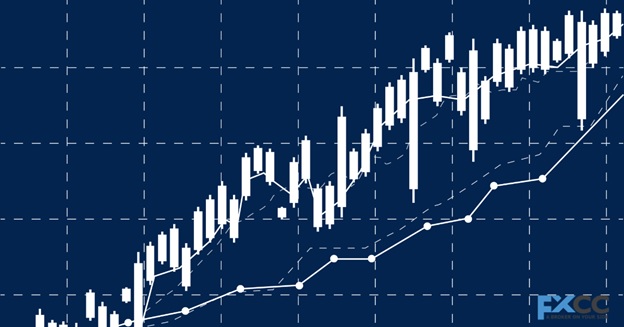
The Death Cross pattern arises when a short-term moving average (often the 50-day) crosses below a long-term moving average (often the 200-day) on a price chart. This technical indicator is interpreted as a potential signal of a shift in momentum, suggesting a transition from an uptrend to a downtrend. However, it’s important to emphasize that the Death Cross is not a crystal ball predicting guaranteed doom, but rather a cautionary flag that warrants further analysis and consideration of other factors.

Beyond the Surface: Context and Confirmation are Key
While the Death Cross formation might appear concerning, traders shouldn’t base their decisions solely on its presence. Here’s why:
- Confirmation is crucial: Don’t hit the sell button based solely on the appearance of the cross. Look for confirmation from other technical indicators like increased trading volume, declining relative strength index (RSI), or weakening support levels. These additional signals can help strengthen the potential bearish implications of the Death Cross.
- Context matters: Analyze the broader market environment and performance of individual sectors. A Death Cross in a specific stock might not carry the same weight as one occurring during a broader market correction. Understanding the context can prevent hasty reactions based on isolated signals.
- False positives exist: The Death Cross is not infallible. False signals can occur, especially in volatile markets or during periods of consolidation. Employing other trading strategies in conjunction with the Death Cross can provide a more comprehensive perspective and help avoid unnecessary trades based on false signals.
Navigating the Shadow: Strategic Responses to the Death Cross
Instead of panicking, here are some strategic responses to consider when encountering the Death Cross:
- Risk management is paramount: Regardless of the technical indicator, always prioritize risk management. Employ stop-loss orders to limit potential losses and maintain a position sizing strategy aligned with your risk tolerance.
- Consider alternative strategies: The Death Cross doesn’t have to be a sell signal in every situation. Depending on your trading style and risk tolerance, you might consider hedging your positions or adopting a wait-and-see approach to gather further confirmation before making any decisions.
- Focus on the long-term: While the Death Cross might suggest a potential downtrend, it’s crucial to remember that markets are cyclical. Don’t let short-term signals dictate your long-term investment strategy. Maintain a well-diversified portfolio and consider long-term trends when making investment decisions.

In conclusion, the Death Cross is a technical indicator that can be valuable for traders, but it should not be interpreted in isolation. By understanding its limitations, seeking confirmation from other indicators, and prioritizing risk management, traders can navigate the potential implications of the Death Cross with a strategic approach and avoid making hasty decisions driven by fear.
CFDs are complex instruments and carry a high risk of rapid losses due to margin trading. Consider whether you understand how CFDs work and whether you can afford the risk of losing your money. This article is for educational purposes and is not investment advice.
Author: Andrew Trent
Andrew holds a degree in Data and Statistical Analysis and brings a tech nerd's curiosity to his writing. Off the clock, he's modeling data scenarios for fun, scuba diving, or taking underwater photos. He lives with his two Labradors, Homer and Duff, and his cat, Fibonacci.
Reviewed by: Chris Blakely
Content Editor with over two decades in financial journalism and a degree in Computer Engineering from the Polytechnic of the South Bank. Chris checks every article for factual accuracy and verifies claims before publication.
Last updated: August 4, 2025
Related Reading


Trader Sentiment
Share your outlook and see the results.
Bullish or bearish on EURUSD today?
Bullish or bearish on Bitcoin today?
Trending topics
FOREX HEATMAP
